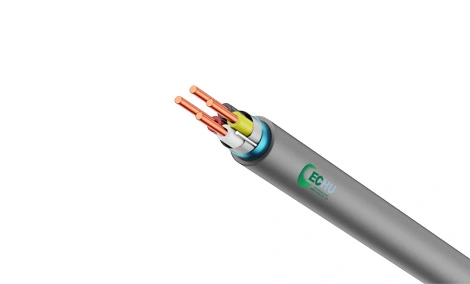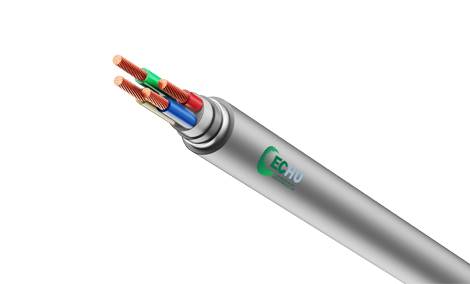

Crane safety regulations are evolving significantly, with 2026 marking a pivotal year for operators, inspectors, and manufacturers alike. The latest updates to OSHA 1910.179 and CMAA Specifications 70 & 74 are ushering in stricter safety standards for crane cables, which are critical components of industrial lifting operations. With crane cable failure cited as a leading cause of up to 30% of unplanned downtime in industrial sites, staying compliant is more important than ever.
The new guidelines emphasize enhanced standards for cable integrity, fatigue resistance, and operational durability, ensuring worker safety and operational efficiency. This checklist is designed to simplify compliance for your operations, reduce your audit-related risks, and help you select modern crane cables optimized for the 2026 revisions.
The latest updates make it clear: businesses need to proactively monitor and maintain their crane cables or face potential safety hazards and legal repercussions. Here's a breakdown of what you need to know:
The Occupational Safety and Health Administration (OSHA) now highlights sheath integrity and conductivity stability for crane cables. Specific changes include:
Mandatory daily visual inspections for signs of wear and damage.
Documentation for monthly detailed maintenance logs.
Introduction of "Zero Tolerance" for bird-caging, severe wear, or exposed cable cores in any crane electrical cable.
The Crane Manufacturers Association of America (CMAA) has updated its Top Running (Spec 70) and Under Running (Spec 74) guidelines:
Alignment of fatigue life cycle requirements, focusing on cables operating in high-cycle environments.
New strength and flexibility benchmarks emphasizing resilience to repetitive bending and tension stress.
Clearer demarcation of acceptable wear limits based on material composition.
These combined revisions point to one critical action item—industrial operators must have a preventative maintenance plan tailored to modern crane cable materials.
Want to ensure compliance while avoiding costly downtime? Use our expert-designed checklist during your inspections to meet OSHA & CMAA requirements confidently.
Look for deformities like bird-caging, kinking, fraying, or broken strands.
Inspect for corrosion: Rust or discoloration may indicate chemical damage from oils or moisture exposure.
Assess for severe wear: Flattening or changes in strand alignment can compromise structural integrity.
Thermal Degradation: Examine for burns, melting, or cracks caused by overheating.
Chemical Breakdown: Check for swelling or discoloration resulting from prolonged exposure to chemicals or UV rays.
Physical Wear: Look out for punctures, scrapes, or abrasions in the cable’s insulating jacket.
Perform voltage drop tests to ensure consistent electrical performance with zero interruptions.
Use signal testers to identify electromagnetic interference, which can cause critical failures.
Assess all connections at festoon and pendant entry points for tension stress, loose fittings, or damage.
Verify proper alignment and secure anchoring to prevent stress tears.
Daily Checks: Carry out basic visual inspections before each operation.
Monthly Audits: Incorporate voltage and conductivity checks along with detailed visual inspections.
Annual Assessment: Perform professional load tests and structural integrity reviews.
Cable repair and reconditioning are viable in some cases, but how do you know when replacement is non-negotiable? According to the 2026 revisions, the following conditions warrant immediate decommissioning:
Visible Core Exposure due to jacket damage.
Excessive Strand Breakage significantly reducing cable capacity (refer to the Quick Reference Table below).
Elongation Beyond Specification limits outlined in OSHA 1910.179.
Critical Diameter Reduction through adverse wear patterns or friction.
If your crane cable exhibits any of these conditions, you must halt operations and replace it with a compliant cable immediately.
To meet the challenges of the 2026 standards, choosing the right materials for your crane cables has never been more important. Modern innovations significantly improve safety and performance. Here’s why Echu Crane Cables exceed expectations:
Ethylene Propylene Rubber (EPR): Outstanding resistance to high temperatures, kinking, and prolonged fatigue stress.
Chlorinated Polyethylene (CPE): Superior resistance to oil, flame, and chemical exposure in demanding industrial environments.
Abrasion Resistance: High-cycle jacketing designed for rigorous use cases in under running and top running cranes.
High Voltage Insulation: Reduced risk of voltage leaks, even in high-duty cycles.
Our crane cables not only meet but surpass the 2026 safety standards, ensuring peace of mind.
| Inspection Criteria | Standard Wear (Maintenance Needed) | Critical Failure (Replacement Required) |
| Bird-Caging | Minor deformations | Multiple loops displaced or broken |
| Strand Breakage | One broken strand visible | Two or more broken strands per lay length |
| Diameter Reduction | Up to 5% loss in diameter | Greater than 10% reduction |
| Insulating Jacket Damage | Small nicks or scratches | Exposure of core wires |
When OSHA or third-party auditors inspect your facility, adequate documentation is vital to avoiding penalties. We recommend:
Using a standardized inspection template to record findings.
Maintaining detailed repair and replacement logs for every crane in your fleet.
Capturing before-and-after photos of repairs or replacements for audit submission.
At Echu Wire & Cable, we have over 20 years of experience manufacturing high-quality industrial cables adhering to international safety and quality standards. With partnerships across the globe and robust technical expertise, Echu is committed to setting the industry benchmark for cable safety and durability.
Full compliance with OSHA, CMAA, and IEC standards.
Verified materials ensure optimal durability under extreme environmental conditions.
Global Certifications: CE, UL, ISO9001—assured quality and performance.



 English
 ไทย
ไทย tiếng việt
 हिंदी
हिंदी Jawa
Jawa