

As modern workplaces continue to embrace digitalization, the demand for efficient and reliable communication infrastructure has become essential. At the heart of this transformation lies the oas wire, a specialized cable that supports office automation systems (OAS). Unlike traditional wiring that focused solely on electrical connectivity, OAS cabling ensures seamless integration of data, voice, and control signals across a wide variety of office equipment. From printers and computers to security systems and conference technologies, OAS wires provide the backbone that keeps these interconnected systems functioning smoothly. With over a decade of expertise in cable innovation, ECHU Cable has invested significantly in research and production facilities to deliver high-quality solutions tailored for advanced office networks.
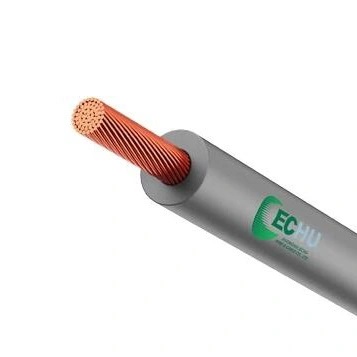
The strength of oas wire lies in its ability to handle multiple functions simultaneously, ensuring stability and reliability in busy office environments. Its design enhances signal integrity, reducing electromagnetic interference that could otherwise disrupt sensitive data transmissions. Furthermore, OAS cables are manufactured to withstand long-term use, ensuring consistent performance in workplaces where uptime and efficiency are critical. As companies move toward smart offices with interconnected devices, the technical benefits of OAS wires ensure not only speed but also data accuracy, security, and lower maintenance demands. For businesses relying on uninterrupted workflow, these advantages make OAS cabling an indispensable part of office infrastructure.
Choosing the right wiring solution for an office environment requires understanding the differences between OAS wires and conventional communication cables. The table below highlights the main points:
Feature | OAS Wire (Office Automation System Cable) | Standard Communication Cable |
Signal Integrity | High, designed to minimize interference | Moderate, more prone to signal disruption |
Application Scope | Voice, data, and control in office systems | Primarily limited to data or voice |
Durability | Built for continuous office operations | Less durable under heavy usage |
Integration | Supports multiple devices and systems | Limited integration flexibility |
Efficiency in Automation | Optimized for office automation systems | Not specifically designed for automation |
This comparison illustrates why OAS cabling is increasingly chosen by modern offices that prioritize connectivity and efficiency. By ensuring high signal quality and system-wide integration, OAS wire provides a future-proof solution for office automation.
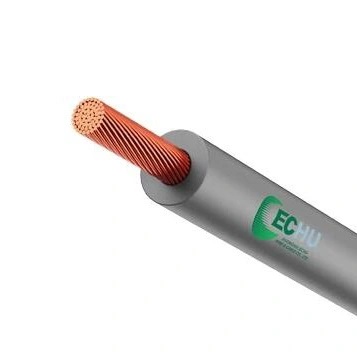
Since its founding in 2005, ECHU Cable has been at the forefront of innovation in special cables. The company has consistently focused on developing advanced solutions that align with the demands of automation and digital transformation. With production facilities built on international standards such as UL, CE, and 3C, ECHU Cable ensures that its OAS cabling solutions meet strict quality requirements. The large-scale investment in Kunshan City for cable production further demonstrates the company's commitment to supporting high-performance office automation. By offering OAS wires that deliver reliability and efficiency, ECHU Cable helps offices worldwide achieve smooth communication and integrated workflow systems.
The future of oas wire is strongly tied to the evolution of smart office environments and the increasing reliance on interconnected systems. As workplaces adopt technologies such as cloud computing, IoT-enabled devices, and intelligent building management systems, the need for reliable wiring solutions becomes more critical. OAS cables are positioned to handle the demands of high-speed data transmission, integrated control, and seamless scalability. By providing long-term durability and efficient performance, OAS wires will continue to play a central role in ensuring office automation systems function without interruption. In this way, OAS cabling supports the broader goal of transforming offices into highly efficient, digitally connected ecosystems.



 English
 ไทย
ไทย tiếng việt
 हिंदी
हिंदी Jawa
Jawa