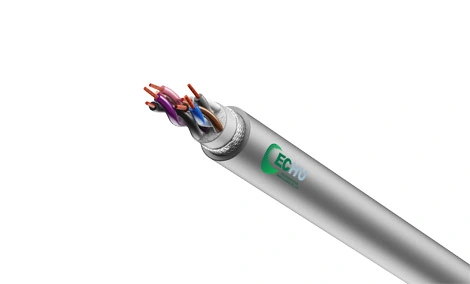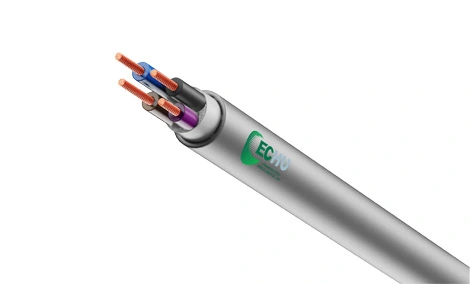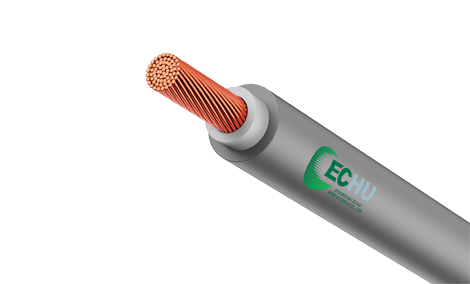

Many solar projects focus heavily on choosing efficient panels and advanced inverters, but one important factor is often overlooked — the cable system that carries the generated power. A photovoltaic installation can include high-performance equipment, yet still experience reduced efficiency if the cables cannot maintain stable transmission under real operating conditions.
Solar cables are exposed to a unique combination of challenges throughout their service life. Continuous sunlight, seasonal temperature changes, moisture, and mechanical stress can gradually affect cable materials and electrical performance. These conditions make ordinary cables unsuitable for photovoltaic applications and highlight the importance of selecting a reliable pv1 f solar cable.
Designed for demanding solar environments, a durable pv1 f cable helps maintain energy efficiency, improve installation safety, and support long-term photovoltaic system reliability. By understanding the common problems affecting solar cables, project developers and installers can make better choices that protect system performance for years to come.
In a photovoltaic system, solar cables are responsible for transferring electricity generated by solar modules to inverters, batteries, and other electrical equipment. Although cables may appear to be simple connection components, their performance directly influences energy transmission efficiency, operational safety, and system lifespan.
Many solar cable failures develop gradually rather than occurring suddenly. Small issues that are ignored during installation or operation can eventually affect the entire PV system. Some of the most common solar cable problems include:
Insulation degradation: Long-term exposure to sunlight, heat, and moisture can weaken cable insulation, increasing the risk of leakage currents or electrical faults.
Voltage loss: Cables with unsuitable specifications or higher resistance may cause unnecessary energy losses during power transmission.
UV aging: Outdoor solar cables are constantly exposed to ultraviolet radiation, which can cause cracking and material deterioration over time.
Temperature stress: Repeated heating and cooling cycles may affect cable flexibility and electrical stability.
Mechanical damage: Improper installation, bending, or external impact can reduce cable reliability.
For this reason, photovoltaic systems require cables specifically designed for outdoor solar applications. A professional pv1 f solar cable provides better protection against environmental stress while maintaining stable electrical performance throughout long-term operation.
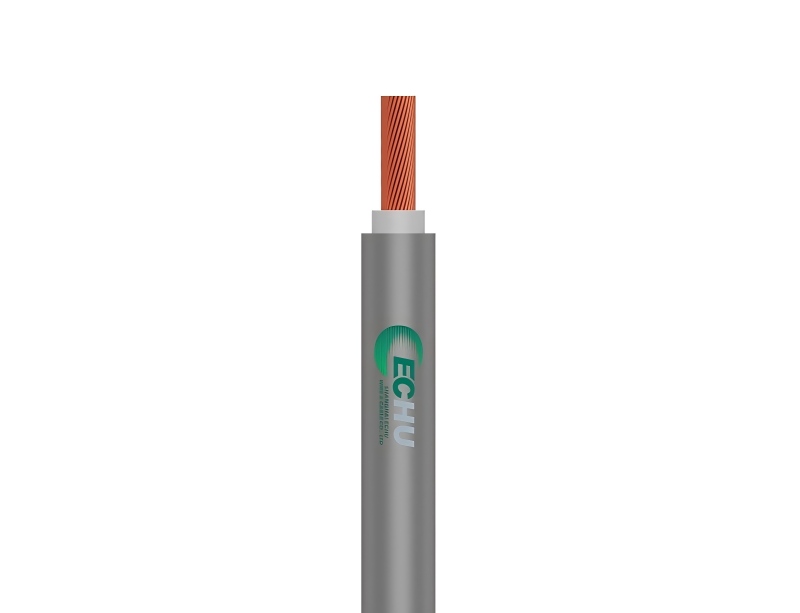
Insulation performance is one of the most important factors determining solar cable reliability. Unlike indoor cables, photovoltaic cables are installed in environments where they must withstand sunlight, rain, temperature fluctuations, and other outdoor conditions for many years.
When insulation materials age prematurely, several problems may occur. Damaged insulation can reduce electrical protection, increase the possibility of current leakage, and create potential safety hazards. In large-scale solar projects, even minor insulation issues can lead to increased inspection requirements and higher maintenance costs.
Another major concern is voltage loss. During energy transmission, electrical resistance within the cable can cause a portion of the generated power to be converted into heat. Over long distances, these losses may reduce the overall efficiency of the photovoltaic system.
A properly selected pv1 f cable helps minimize these issues through optimized conductor design and insulation performance. By using cables developed specifically for photovoltaic applications, solar installers can improve power transmission stability and reduce the risk of premature cable failure.
| Solar Cable Problem | Possible Impact | How PV1-F Solar Cable Helps |
|---|---|---|
| Insulation aging | Reduced safety and increased risk of electrical faults | Uses durable insulation materials designed for photovoltaic environments |
| UV exposure | Cable cracking and shortened service life | Provides resistance against continuous sunlight exposure |
| High temperature operation | Overheating and reduced electrical performance | Maintains stable operation under demanding temperatures |
| Voltage losses | Lower energy output and reduced system efficiency | Supports reliable current transmission with suitable electrical characteristics |
| Moisture exposure | Corrosion and insulation damage | Designed for outdoor photovoltaic installation conditions |
One of the key advantages of a pv1 f solar cable is its ability to maintain reliable performance under harsh environmental conditions. Solar installations are often located in open outdoor spaces where cables are exposed to direct sunlight, seasonal weather changes, and long periods of continuous operation.
UV resistance is especially important because ultraviolet radiation can gradually weaken ordinary cable materials. PV1-F cables are manufactured with specialized insulation and sheath materials that help protect against UV degradation and maintain cable durability over extended periods.
Temperature resistance is another essential characteristic. Solar cables may experience significant temperature variations between daytime operation and nighttime conditions. A high-quality pv1 f cable is designed to maintain flexibility and electrical stability across a wide operating temperature range.
PV1-F solar cables are commonly used in applications such as:
Residential rooftop solar systems
Commercial photovoltaic installations
Industrial solar power projects
Ground-mounted solar farms
Outdoor renewable energy systems
With reliable photovoltaic cable solutions, Echuwire Cable helps customers address the challenges of outdoor solar installations and improve long-term system performance.
Solar system efficiency depends not only on electricity generation but also on how effectively power is transmitted through the entire installation. Cable losses may seem small at first, but they can accumulate over years of operation and affect the overall return of a solar project.
A well-designed pv1 f solar cable helps improve efficiency by providing stable conductivity and reducing unnecessary energy loss during transmission. Compared with general electrical cables, PV1-F cables are specifically engineered for photovoltaic systems where reliable DC power transmission is required.
To reduce cable losses, solar project designers should consider:
Selecting appropriate cable size according to current requirements
Reducing unnecessary cable distances during system design
Using cables with reliable conductor quality
Choosing photovoltaic cables designed for long-term outdoor use
When combined with proper installation practices, a high-quality pv1 f cable can contribute to better energy utilization and more stable solar system operation.
Most photovoltaic systems are designed for long-term operation, making reliability one of the most important factors in cable selection. A cable failure can affect energy production, increase maintenance requirements, and create unnecessary downtime.
PV1-F technology helps improve solar installation reliability through several advantages:
Enhanced environmental resistance: Protects against sunlight, moisture, and outdoor exposure.
Stable electrical performance: Supports consistent power transmission throughout system operation.
Improved durability: Reduces the risk of premature cable damage.
Better safety performance: Helps maintain reliable insulation protection.
Echuwire Cable provides photovoltaic cable solutions designed to meet the requirements of modern solar applications. Customers can explore available cable products through the Echuwire Cable products page for more information about suitable solutions for different projects.
Selecting the right pv1 f cable requires careful consideration of project requirements, installation conditions, and long-term performance expectations. The right cable choice can significantly improve system reliability and reduce future maintenance risks.
Important factors include:
Application environment: Consider exposure to sunlight, temperature, humidity, and mechanical stress.
Electrical requirements: Choose cable specifications suitable for system voltage and current.
Material quality: Durable insulation and sheath materials improve service life.
Installation conditions: Consider cable routing, bending requirements, and physical protection.
Supplier experience: Select a professional supplier with knowledge of photovoltaic applications.
For project-specific recommendations and professional support, customers can contact Echuwire Cable to discuss suitable photovoltaic cable solutions.
Solar cables are a critical part of photovoltaic systems, directly affecting energy transmission efficiency, safety, and long-term reliability. Problems such as insulation aging, UV damage, voltage loss, and environmental stress can gradually reduce system performance if unsuitable cables are selected.
A reliable pv1 f solar cable provides an effective solution by offering strong durability, stable electrical performance, and resistance against challenging outdoor conditions. Whether used in residential, commercial, or large-scale solar projects, PV1-F technology helps create safer and more efficient photovoltaic installations.
By selecting a suitable pv1 f cable from a trusted supplier like Echuwire Cable, solar professionals can improve system reliability, reduce maintenance concerns, and support consistent energy generation throughout the project lifecycle.
A PV1-F solar cable is a photovoltaic cable designed for solar power systems. It is used for DC power transmission between solar components and provides durability for outdoor applications.
PV1-F cables are designed to withstand UV exposure, temperature changes, moisture, and mechanical stress, making them suitable for long-term photovoltaic applications.
Poor cable selection may lead to insulation damage, increased power losses, overheating, and reduced solar system reliability.
Yes. PV1-F solar cables are specifically designed for outdoor photovoltaic environments and can handle challenging weather conditions.
PV1-F cable helps reduce energy losses by providing reliable electrical transmission and stable performance under operating conditions.
The selection should consider system voltage, current requirements, installation environment, cable size, and applicable project standards.


 English
 ไทย
ไทย tiếng việt
 हिंदी
हिंदी Jawa
Jawa