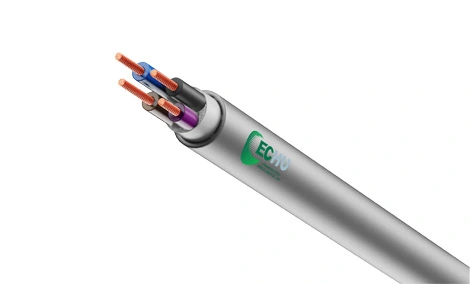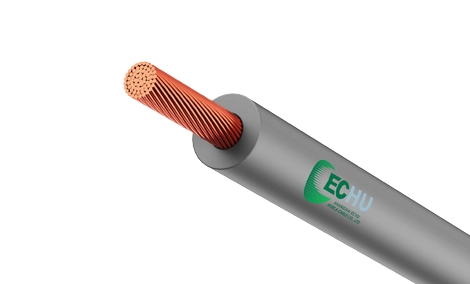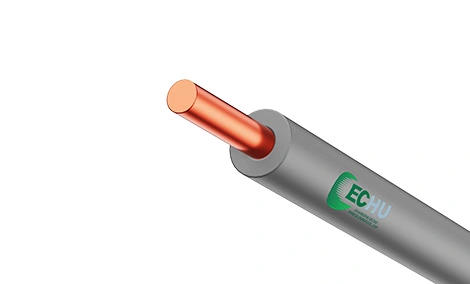

What is the weakest point in an industrial electrical system? Many people would look at motors, controllers, or other major components first, but cable reliability is often the factor that determines whether equipment can keep running smoothly. When cables operate in environments filled with oils, lubricants, and industrial fluids, their ability to resist damage becomes essential for maintaining continuous production.
Unlike cables used in clean and controlled locations, industrial wiring must handle repeated exposure to harsh conditions. Oil can gradually penetrate unsuitable insulation materials, affecting flexibility, electrical protection, and overall service life. For this reason, selecting a dependable oil resistant wire is a key step in preventing cable-related failures and improving industrial system reliability.
A high-quality oil resistant electrical wire is designed to provide stable performance where conventional cables may struggle. By combining resistance to oil exposure with strong mechanical durability, these wiring solutions help manufacturers reduce downtime, improve equipment safety, and support long-term industrial operation.
Industrial environments place continuous pressure on electrical cables. In manufacturing plants, automation systems, machine tools, and heavy equipment, cables are often installed near hydraulic systems, lubricated components, and machinery that uses various industrial oils.
When standard cables are exposed to these conditions for extended periods, several failure problems may occur:
Insulation deterioration: Oil exposure can weaken cable insulation materials, reducing their ability to protect electrical conductors.
Swelling and softening: Certain oils may cause cable jackets to expand or lose their original mechanical strength.
Cracking and brittleness: Long-term chemical exposure combined with heat and movement can accelerate material aging.
Loss of flexibility: Damaged cables may become stiff, increasing the risk of cracks or breakage during bending and movement.
Electrical failures: Insulation breakdown can increase the possibility of leakage currents, short circuits, or equipment interruptions.
These failures can have a significant impact on industrial operations. A damaged cable may not only require replacement but can also cause unexpected equipment downtime and reduced production efficiency. Using oil resistant wire helps address these challenges by providing better protection in environments where oil exposure is unavoidable.
Compared with general-purpose wiring, oil-resistant solutions are developed for applications where durability and reliability are critical. They help ensure that electrical systems continue operating even when exposed to demanding industrial conditions.
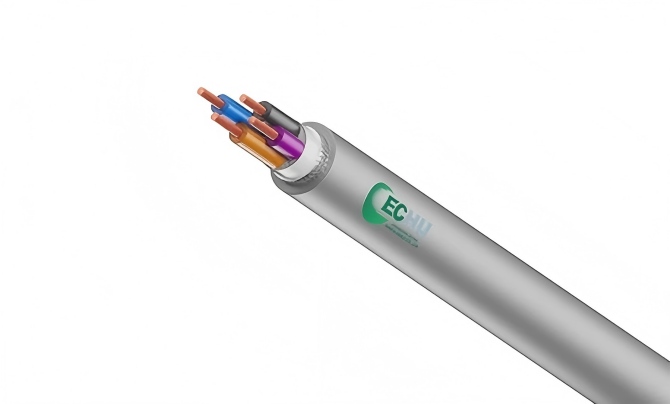
Cable insulation plays a critical role in maintaining electrical safety and performance. It protects conductors from external factors while preventing unwanted current leakage. However, traditional insulation materials may not be suitable for environments where continuous oil exposure occurs.
When oil comes into contact with unsuitable cable materials, it may gradually affect their physical and chemical properties. The insulation layer can become softer, weaker, or less resistant to mechanical stress. Over time, this reduces the cable’s ability to provide reliable electrical protection.
Several factors can accelerate oil-related cable damage:
Continuous oil contact: Long-term exposure increases the possibility of material degradation.
High operating temperatures: Heat can accelerate chemical reactions between oil and cable materials.
Mechanical movement: Repeated bending, vibration, or flexing can worsen insulation damage.
Industrial chemicals: Additional substances in working environments may further affect cable performance.
Once insulation performance decreases, industrial systems may experience increased maintenance requirements and reduced operational reliability. This is why selecting an appropriate oil resistant electrical wire is essential for applications where cables must operate continuously in oil-exposed environments.
| Cable Type | Performance in Oil Environments | Suitable Applications |
|---|---|---|
| Standard Electrical Wire | May experience insulation deterioration and reduced durability after prolonged oil exposure | Dry and controlled environments |
| General Industrial Cable | Provides better protection but may have limited resistance against continuous oil contact | Moderate industrial applications |
| Oil Resistant Wire | Designed to maintain insulation performance and mechanical strength in oil-exposed conditions | Machinery, automation, and industrial equipment |
| Oil Resistant Electrical Wire | Provides reliable electrical protection where exposure to oils and fluids is expected | Heavy-duty industrial environments |
The primary advantage of oil resistant wire is its ability to maintain stable performance in challenging environments. Unlike conventional cables, oil-resistant cables use insulation and jacket materials specifically selected to resist the effects of industrial oils and fluids.
This specialized construction helps prevent oil penetration and reduces the risk of premature cable aging. As a result, oil resistant wiring can provide:
Improved insulation protection: Helps maintain electrical safety and reduce leakage risks.
Enhanced mechanical durability: Provides better resistance against abrasion, vibration, and movement.
Longer operating life: Reduces damage caused by continuous exposure to industrial fluids.
Reliable flexibility: Supports applications where cables need to bend or move repeatedly.
For industrial equipment manufacturers and system designers, choosing the right oil resistant electrical wire during the planning stage can prevent future cable failures and reduce maintenance costs. Reliable wiring is not only about transferring electricity; it is about ensuring that the entire system can operate consistently under real-world conditions.
Echuwire Cable provides cable solutions designed for demanding industrial environments, helping customers select suitable products for applications where durability and reliability are essential. More cable solutions can be explored through the Echuwire Cable products page.
Industrial reliability depends on the performance of every component within an electrical system. While cables are often smaller than other machine components, their failure can interrupt the operation of entire production processes.
Using oil resistant wire helps improve equipment reliability by reducing common cable-related problems. These cables are designed to maintain stable performance in environments where exposure to oil, lubricants, and mechanical stress is part of daily operation.
The advantages of oil resistant wiring solutions include:
Reduced risk of unexpected cable failure
Lower equipment maintenance requirements
Improved production continuity
Better protection against harsh industrial conditions
Long-term electrical system stability
For industries relying on automated machinery and continuous production, cable reliability directly affects operational efficiency. A properly selected oil resistant electrical wire helps create a stronger electrical foundation for industrial systems.
Because of their durability and resistance to industrial fluids, oil resistant wires are widely used in environments where standard cables may not provide sufficient protection.
Common applications include:
Industrial automation systems: Used in production lines, robotic equipment, and control systems where stable electrical performance is required.
Machine tools: Suitable for equipment exposed to cutting oils, lubricants, and machining fluids.
Automotive manufacturing equipment: Provides reliable wiring performance in environments involving oils and mechanical fluids.
Hydraulic machinery: Supports electrical connections near hydraulic systems and fluid-based equipment.
Factory control systems: Helps maintain dependable power and signal transmission in industrial facilities.
From small industrial machines to complex automated systems, selecting suitable oil resistant electrical wire can improve reliability and reduce the risks associated with harsh operating environments.
Choosing the correct oil resistant wire requires consideration of the actual working environment, electrical requirements, and mechanical conditions. Different industrial applications may require different levels of protection and performance.
Important selection factors include:
Oil exposure conditions: Determine whether the cable experiences occasional contact or continuous exposure to industrial fluids.
Temperature range: Ensure the cable materials can withstand the operating temperatures of the application.
Mechanical requirements: Consider vibration, bending, movement, and abrasion risks.
Electrical specifications: Select appropriate conductor size, voltage rating, and performance characteristics.
Installation environment: Evaluate space limitations, routing methods, and external conditions.
Working with an experienced supplier can help ensure the selected oil resistant electrical wire meets both performance and safety requirements. Echuwire Cable supports industrial customers with reliable cable solutions designed for demanding applications.
For professional recommendations and project-specific cable requirements, customers can contact Echuwire Cable for further assistance.
Oil exposure is one of the most common causes of cable deterioration in industrial environments. Without proper protection, cables may suffer from insulation damage, reduced flexibility, electrical faults, and unexpected equipment downtime.
A reliable oil resistant wire provides an effective solution by maintaining insulation performance, improving mechanical durability, and supporting stable operation in harsh conditions. Compared with standard wiring, oil resistant solutions are better prepared to handle continuous exposure to industrial oils and fluids.
For automation systems, machinery, and manufacturing equipment, selecting the right oil resistant electrical wire is an important investment in long-term reliability. With professional cable solutions from Echuwire Cable, industrial users can reduce maintenance risks, improve equipment performance, and build more dependable electrical systems.
Oil resistant wire is a type of electrical cable designed with specialized insulation and jacket materials that help maintain performance when exposed to oils, lubricants, and industrial fluids.
It helps prevent insulation damage, reduces cable failures, and improves system reliability in environments where oil exposure is common.
Ordinary wires may degrade faster when exposed to oil, which can lead to insulation problems and reduced service life.
It is commonly used in automation equipment, machine tools, automotive manufacturing, hydraulic machinery, and industrial control systems.
It uses specialized materials that resist oil penetration, helping maintain insulation strength, flexibility, and mechanical performance.
Important factors include oil exposure level, temperature requirements, mechanical stress, electrical specifications, and installation conditions.



 English
 ไทย
ไทย tiếng việt
 हिंदी
हिंदी Jawa
Jawa