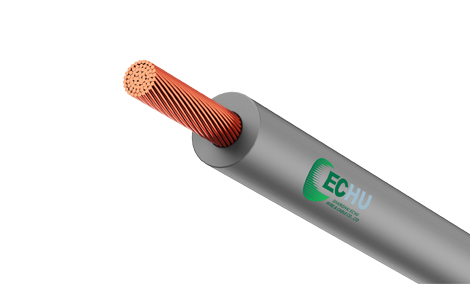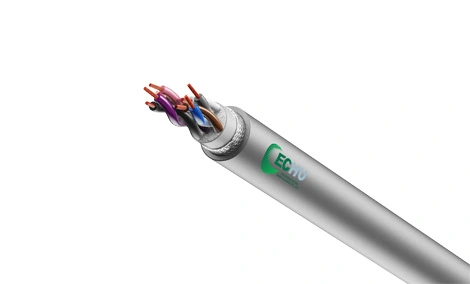

Imagine entering a smart building where the lights turn on automatically, the temperature adjusts to your comfort, and energy consumption is optimized without manual operation. Behind these seamless experiences is a complex communication network that allows thousands of intelligent devices to work together. One of the key elements supporting this connection is the KNX bus cable.
Although often hidden inside walls and ceilings, a KNX bus cable plays a fundamental role in determining how efficiently a building automation system performs. It provides the communication link between sensors, actuators, and control devices, ensuring that commands and data can be transmitted accurately and consistently.
As smart building projects become more advanced, selecting the right bus KNX cable requires more than simply checking compatibility. Cable construction, signal protection, installation conditions, and long-term reliability all need to be considered. The wrong choice may affect system stability, while the right cable bus KNX solution can provide a stronger foundation for future automation upgrades.
In this guide, Echuwiren Cable explains the essential factors involved in choosing a suitable KNX bus cable, helping professionals create reliable and efficient smart building automation systems that deliver consistent performance over time.
Smart building automation depends on the smooth communication between different intelligent devices. From lighting controllers and temperature sensors to security systems and energy management equipment, every component needs a reliable communication pathway. This is where a high-quality KNX bus cable becomes essential.
A KNX bus cable is specifically designed for KNX-based automation systems, allowing devices connected to the same network to exchange control signals and information. Unlike traditional electrical wiring that mainly supplies power, KNX cables create a communication infrastructure that enables intelligent building functions.
The KNX protocol is widely used in residential, commercial, and industrial automation projects because of its flexibility and scalability. A properly selected bus KNX cable helps maintain stable communication between multiple KNX components, reducing the risk of system interruptions.
The main advantages of using a reliable KNX bus cable are reflected in several aspects. First, it enables stable communication between sensors, actuators, controllers, and other KNX devices, ensuring that automation commands can be transmitted accurately. This helps improve the overall reliability of smart building systems and reduces unexpected communication interruptions.
In addition, a high-quality bus KNX cable provides better protection against electromagnetic interference, which is especially important in buildings with complex electrical environments. It also supports future system expansion, allowing additional smart devices and automation functions to be integrated more easily as building requirements change.
By selecting a suitable cable bus KNX during the initial design stage, project owners and installers can reduce long-term maintenance requirements and improve the operational efficiency of the entire automation system. Therefore, cable selection should be considered an essential part of smart building infrastructure planning rather than a simple installation choice.
Echuwiren Cable provides professional cable solutions designed for reliable communication applications. More product information can be found Echuwiren Cable Products.
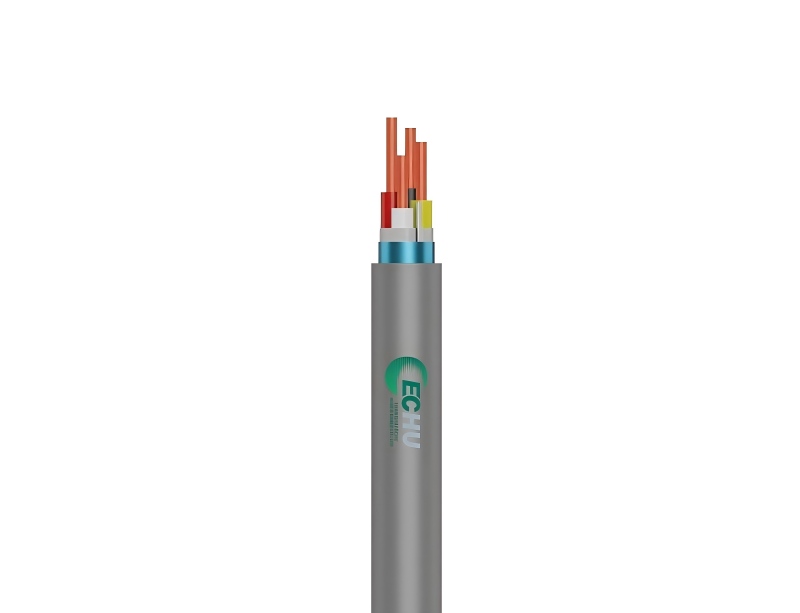
Selecting the appropriate KNX bus cable requires evaluating several technical and practical factors. Different projects may have different requirements depending on building size, installation environment, and automation functions.
The internal structure of a KNX bus cable directly affects signal transmission quality. High-quality conductors help maintain stable electrical performance, while proper insulation materials improve durability and safety during long-term operation.
A twisted pair structure is commonly used in KNX communication cables because it helps reduce electromagnetic interference. When choosing a bus KNX cable, engineers should pay attention to conductor quality, insulation design, and overall cable construction.
Modern buildings contain many electronic devices, power systems, and communication equipment that may create electromagnetic interference. A suitable cable bus KNX should provide effective protection against external disturbances.
In environments with complex electrical installations, industrial equipment, or high-density wiring systems, selecting a cable with appropriate shielding performance can help maintain reliable data transmission.
A reliable KNX bus cable should meet KNX system requirements and provide compatibility with standard KNX devices. Before purchasing, project teams should review technical specifications and ensure the cable is suitable for the planned automation network.
Cable selection should also consider installation conditions. Factors such as indoor or outdoor use, temperature changes, moisture exposure, mechanical stress, and routing methods can influence cable performance.
Choosing the correct bus KNX cable based on actual installation conditions helps prevent future communication problems and improves system reliability.
Technical specifications provide important guidance when comparing different KNX bus cable options. Understanding key parameters helps ensure that the selected cable can meet project requirements.
| Specification | Impact on Performance | Selection Consideration |
|---|---|---|
| Conductor Material | Influences electrical conductivity and communication stability | Select cables with reliable conductor quality |
| Twisted Pair Structure | Helps reduce signal interference | Important for stable KNX data transmission |
| Shielding Layer | Protects against electromagnetic interference | Recommended for complex electrical environments |
| Insulation Material | Affects safety and durability | Choose according to installation conditions |
| Temperature Resistance | Determines operating reliability | Match cable performance with project environment |
| Outer Jacket | Provides mechanical and environmental protection | Consider installation location and requirements |
When evaluating a KNX bus cable, technical data should always be considered together with application requirements. A cable that performs well in one environment may not be the best option for another project.
Echuwiren Cable focuses on providing reliable cable solutions that support stable communication performance for smart building automation applications.
Different building types require different automation functions, which means cable selection should match the specific application. Choosing the right bus KNX cable helps ensure reliable operation across various environments.
| Building Application | Cable Selection Considerations | Common KNX Applications |
|---|---|---|
| Smart Homes | Reliable indoor performance and flexible installation | Lighting control, HVAC systems, blinds, security automation |
| Office Buildings | Stable communication for multiple connected devices | Energy management, room automation, lighting systems |
| Hotels | High reliability for continuous operation | Guest room control, climate management, centralized systems |
| Industrial Buildings | Strong interference resistance and durability | Monitoring systems and automated controls |
Installation conditions also influence the choice of cable bus KNX. For example, cables installed near power lines or electrical equipment may require stronger interference protection. Proper planning during the design stage helps avoid communication issues after completion.
Even when using advanced KNX automation technology, incorrect cable selection can reduce system performance. Understanding common mistakes helps project teams make better decisions.
Selecting the cheapest KNX bus cable may reduce initial costs but can create reliability problems later. Cable quality, technical performance, and long-term durability should be considered together.
A cable designed for standard indoor applications may not perform well in harsh environments. Temperature, humidity, interference sources, and mechanical protection requirements should always be evaluated.
Not all communication cables are suitable for KNX systems. Always confirm that the selected bus KNX cable meets the necessary technical requirements before installation.
Poor cable routing and incorrect installation practices can affect even high-quality cables. Proper planning, professional installation, and compliance with KNX guidelines are essential for reliable operation.
The right KNX bus cable is the foundation of a reliable smart building automation system. Although cables are often hidden after installation, their performance directly affects communication stability, system efficiency, and future expansion possibilities.
By considering factors such as cable construction, shielding capability, technical specifications, and application conditions, engineers and installers can select the most suitable bus KNX cable for their projects. A carefully chosen cable bus KNX solution helps create smarter, more efficient, and more reliable buildings.
With professional experience and dependable cable solutions, Echuwiren Cable supports customers in developing stable automation networks for residential, commercial, and industrial applications. For project consultation or technical support, Contact Echuwiren Cable.
A KNX bus cable is used to transmit communication signals between KNX devices, including sensors, actuators, and controllers in smart building automation systems.
The right cable ensures stable communication, reduces interference risks, and improves the long-term reliability of the automation network.
Yes. A bus KNX cable is widely used in smart homes for lighting control, HVAC systems, shading, and security automation.
Cable structure, conductor quality, shielding, installation environment, and technical specifications all influence performance.
Shielding helps protect communication signals from electromagnetic interference, especially in complex electrical environments.
Choose a supplier with consistent product quality, detailed technical information, professional support, and experience in automation cable applications.


 English
 ไทย
ไทย tiếng việt
 हिंदी
हिंदी Jawa
Jawa