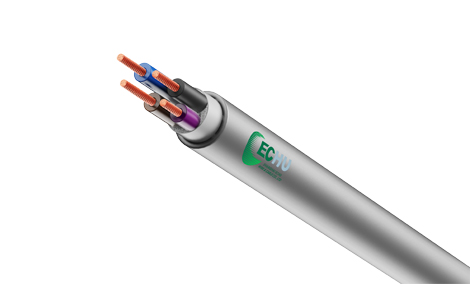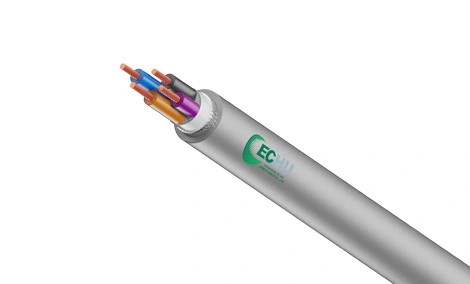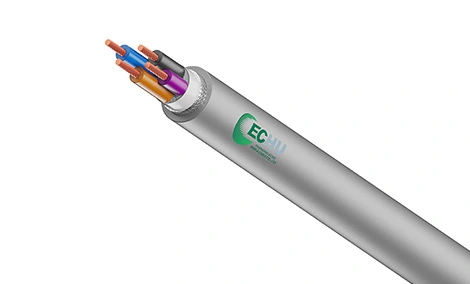

In high-occupancy buildings, elevators, airports, metro stations, hospitals, schools, shopping centers, tunnels, and public transport systems, cable selection is not simply an electrical design decision — it is a life-safety decision whose consequences become visible only in the worst possible circumstances: a fire in a crowded enclosed space where evacuation speed, respiratory safety, and the continued operation of fire alarm and emergency communication systems determine whether occupants escape safely or become casualties. A halogen free cable is designed to reduce toxic, corrosive gas and dense smoke during fire exposure — providing the evacuation visibility, respiratory protection, and electronic system preservation that crowded enclosed environments require when fire occurs. Traditional PVC cable materials, by contrast, can release hydrogen chloride gas when thermally degraded — a corrosive acid gas that irritates and damages the respiratory system, obscures evacuation routes with dense smoke, and corrodes the sensitive electronic systems that fire alarm, emergency communication, and building control networks depend on.
For building safety managers, government project bidders, MEP contractors, and procurement teams evaluating cable specifications for public buildings and transport infrastructure, the choice between low smoke halogen free cable and standard PVC cable is increasingly a compliance requirement rather than a design preference — driven by building codes, transit authority specifications, insurance requirements, and government tender documents that recognize the life-safety value of LSZH cable in environments where many people, limited ventilation, dense cable runs, and difficult evacuation routes create the conditions where cable combustion by-products can determine the outcome of a fire emergency. ECHU's WDZ-TYYBP Low Smoke Halogen Free Flat Cable is designed for elevator lift applications, using LSZH polyolefin insulation and sheath, with flame retardancy compliant with IEC 60332-1-2 — providing the material specification and compliance documentation that safety-focused building and transport installations require.
This guide covers the complete picture for building safety managers, MEP contractors, government project teams, and procurement managers: why PVC cable combustion by-products create life-safety risks in crowded enclosed spaces, what halogen free cable is and what low smoke halogen free actually means, how low smoke performance improves evacuation safety, how to evaluate LSZH cable components for fire performance and application suitability, and what procurement and installation practices protect the life-safety value of halogen free cable through the installation's service life.
The life-safety case for specifying halogen free cable in high-occupancy buildings and public transport systems starts with a clear understanding of the specific hazards that PVC cable combustion by-products create in crowded enclosed spaces — and why these hazards are particularly dangerous in the environments where cable runs are densest and evacuation is most challenging.
Hydrogen chloride gas release from PVC thermal degradation is the most directly dangerous combustion by-product that standard PVC cable creates in a fire. PVC cable insulation contains chlorine as part of its chemical composition, and when exposed to thermal degradation, it can release hydrogen chloride gas — a corrosive acid gas that irritates and damages the respiratory system and becomes increasingly dangerous in the enclosed, poorly ventilated spaces where high-occupancy buildings and underground transport systems concentrate large numbers of people. The EPA has documented that hydrogen chloride is a respiratory irritant that can cause damage to the respiratory tract, and its corrosive properties mean that it also attacks the sensitive electronic components of fire alarm panels, emergency communication systems, CCTV networks, and building control systems — potentially disabling the very systems that emergency responders depend on to manage the fire and coordinate evacuation.
Dense smoke obscuring evacuation routes is the visibility hazard that most directly affects evacuation speed and outcomes in crowded enclosed spaces. When PVC cable burns, it can produce dense black smoke that rapidly reduces visibility in corridors, stairwells, and public areas — making it difficult for occupants to identify emergency exits, read evacuation signage, and navigate safely to safety. In underground metro stations, airport terminals, hospital corridors, and shopping mall concourses where evacuation routes may be long, complex, and unfamiliar to many occupants, the difference between clear visibility and dense smoke can determine whether occupants evacuate successfully or become disoriented and trapped.
Post-fire corrosion damage to electronic systems is the infrastructure cost that extends the consequences of PVC cable combustion beyond the immediate fire event. The acidic combustion products from PVC cable — hydrogen chloride combined with moisture — create a corrosive environment that can damage or destroy fire alarm panels, emergency lighting controllers, elevator control systems, server room equipment, and building management systems even in areas that were not directly affected by the fire. The cost of replacing corrosion-damaged electronic systems after a fire can significantly exceed the cost of the fire damage itself — making the choice of cable material a financial risk management decision as well as a life-safety decision.
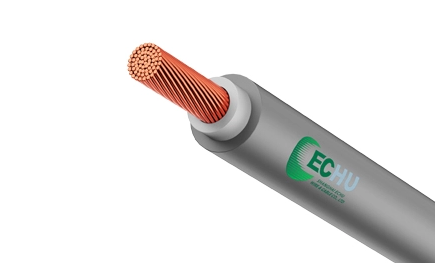
Understanding what a halogen free cable is — and how the specific performance characteristics described by the terms low smoke, halogen free, flame retardant, and LSZH translate into measurable fire safety benefits for high-occupancy buildings and public transport systems — is essential for building safety managers and procurement teams evaluating cable specifications for safety-critical installations.
A halogen free cable is manufactured with insulation and sheath materials that avoid halogen-containing compounds such as chlorine, fluorine, bromine, and iodine — the chemical elements whose combustion by-products create the acid gas and corrosion hazards that make PVC cable dangerous in fire conditions. In fire conditions, halogen free cables are designed to reduce halogen acid gas generation and smoke density compared with conventional halogenated materials — providing the evacuation visibility, respiratory protection, and electronic system preservation that crowded enclosed environments require.
| Term | Technical Meaning | Life-Safety Value |
|---|---|---|
| Low Smoke | Produces less dense smoke during burning | Helps maintain visibility for evacuation and emergency response |
| Halogen Free | Avoids halogen-containing materials | Reduces corrosive and acidic gas release that harms people and electronics |
| Flame Retardant | Slows flame spread along cable routes | Helps reduce fire propagation through cable trays and conduits |
| LSZH / LSOH / LS0H | Low Smoke Zero Halogen — common specification terminology | Used in public building, transport, and infrastructure tender specifications |
| IEC 60332 | Flame retardancy test standard | Verifies that the cable limits flame propagation |
| IEC 60754 | Halogen acid gas test standard | Verifies that the cable produces low halogen acid gas |
| IEC 61034 | Smoke density test standard | Verifies that the cable produces low smoke opacity |
ECHU's WDZ-TYYBP Low Smoke Halogen Free Flat Cable is positioned for elevator control system connections and cab-to-machine room wiring, using LSZH polyolefin insulation and sheath, optional bare or tinned copper braiding, and flame retardancy compliance with IEC 60332-1-2 — providing the material specification and compliance documentation that safety-focused elevator and building installations require.
The technical mechanism by which low smoke halogen free cable's reduced smoke density and lower acid gas generation improve evacuation outcomes in crowded enclosed spaces — and why public transport authorities, building codes, and government tender specifications increasingly require or strongly specify LSZH cable in safety-critical environments — is the core life-safety knowledge that building safety managers and project specification teams need to justify LSZH cable specification to project owners and finance teams.
When a fire occurs in a crowded enclosed space, occupants must identify emergency exits, navigate evacuation routes, read directional signage, and reach safety — all while managing the psychological stress of a fire emergency. Dense smoke is the single most significant obstacle to successful evacuation in enclosed spaces because it reduces visibility to near zero within minutes, making it impossible for occupants to identify exits, read signs, or navigate safely. Low smoke halogen free cable compounds are designed to reduce smoke opacity during combustion — helping preserve the visibility that allows occupants to see emergency exit signs, identify evacuation routes, and move quickly toward safety in the critical early minutes of a fire emergency.
| Fire Condition | PVC Cable Risk | LSZH Halogen Free Cable Advantage |
|---|---|---|
| Smoke density | Can produce dense black smoke rapidly | Lower smoke density supports clearer evacuation routes |
| Acid gas release | Releases hydrogen chloride during thermal degradation | Halogen-free materials reduce halogen acid gas risk |
| Respiratory hazard | HCl gas irritates and damages respiratory tract | Lower acid gas output reduces respiratory risk |
| Electronics exposure | Acidic gases corrode fire alarm and control systems | Lower corrosive gas output helps protect critical systems |
| Evacuation speed | Dense smoke slows and disorients occupants | Improved visibility supports faster, more confident movement |
| Post-fire recovery | Corrosive residue increases equipment replacement cost | Lower corrosion risk reduces restoration burden |
LSZH cables are widely specified or strongly recommended in environments where many people, limited ventilation, dense cable runs, or difficult evacuation routes are present — including public buildings, train stations, airport terminals, underground transport systems, hospitals, and enclosed infrastructure. Whether LSZH cable is legally mandatory depends on local building codes, transit authority standards, project specifications, and government tender requirements — and procurement teams should confirm the applicable specification before finalizing cable selection. Low-smoke performance is particularly important in crowded or confined spaces where visibility, ventilation, and evacuation time are critical factors in fire safety outcomes.
The systematic evaluation of halogen free cable components — conductor material, LSZH insulation, shielding or braiding, outer sheath, voltage rating, and flame retardancy compliance — against the requirements of the specific building or transport application is the technical procurement knowledge that ensures the selected cable delivers the fire safety performance the installation requires.
| Component | Buyer Evaluation Criterion | Life-Safety Significance |
|---|---|---|
| Conductor | Bare copper or tinned copper option | Conductivity and long-term connection reliability |
| Insulation | LSZH polyolefin vs PVC | Fire gas, smoke density, and acid gas performance |
| Sheath | LSZH polyolefin outer jacket | Smoke, halogen, and flame behavior at the cable surface |
| Shielding and braiding | Bare copper or tinned copper optional | EMI protection for control and signal systems |
| Voltage rating | 300/500V or 450/750V depending on conductor size | Must match system design requirements |
| Temperature rating | 90°C for WDZ-TYYBP | Supports elevator and building system applications |
| Flame retardancy | IEC 60332-1-2 compliance | Limits flame propagation along cable routes |
ECHU's WDZ-TYYBP cable lists AC 300/500V for 0.5 to 1.0mm² conductors, AC 450/750V for 1.5mm² and above, a 90°C rated temperature, LSZH polyolefin insulation and sheath, optional copper braiding, and customizable sheath colors — providing the specification range that covers elevator control, building system, and safety-critical wiring applications.
| Evaluation Factor | PVC Cable | Halogen Free LSZH Cable |
|---|---|---|
| Material base | Halogen-containing PVC compound | Halogen-free polyolefin or LSZH compound |
| Fire gas concern | Releases hydrogen chloride during thermal degradation | Designed to reduce halogen acid gas release |
| Smoke density | Can be higher — dense black smoke | Designed for lower smoke opacity |
| Respiratory hazard | HCl gas is a respiratory irritant | Lower acid gas risk for occupants and responders |
| Corrosion risk | Higher — acidic combustion products attack electronics | Lower corrosive gas risk protects critical systems |
| Initial cost | Usually lower | Higher — reflects safety material specification |
| Best application | General installations where code permits | Public buildings, elevators, transport, tunnels, safety-critical areas |
| Procurement logic | Cost-driven for non-critical applications | Life-safety and compliance-driven for public and high-occupancy installations |
Halogen free cable delivers the most life-safety value for: high-rise office buildings and residential towers where elevator systems, fire alarm networks, and building management systems must continue operating during a fire emergency, metro and subway systems where underground stations concentrate large numbers of people in enclosed spaces with limited ventilation and complex evacuation routes, airport terminals where international passenger volumes and complex building layouts make evacuation speed and visibility critical, hospitals where patients with limited mobility depend on staff and emergency systems for evacuation assistance, shopping malls and entertainment venues where large crowds and complex layouts create challenging evacuation scenarios, and government infrastructure projects where public safety specifications and tender requirements mandate LSZH cable for safety-critical installations.
Procuring the right halogen free cable for a specific building or transport application requires systematic pre-order confirmation of fire performance requirements, compliance documentation, voltage ratings, and installation conditions — and installation practices that protect the cable's fire safety performance through the installation's service life.
Before requesting a quotation for halogen free cable, prepare and confirm the following:
Confirm whether LSZH cable is required by local building code, project specification, transit authority standard, or government tender document — and identify the specific flame retardancy, smoke density, and halogen acid gas test standards that the cable must meet
Confirm the required voltage rating — 300/500V or 450/750V — based on the system design and conductor size requirements
Confirm the conductor size and number of cores — and verify that the selected cable configuration is appropriate for the current-carrying capacity and circuit protection requirements of the installation
Confirm whether shielding or braiding is required — for elevator control systems, fire alarm signal cables, and building management system wiring where EMI protection is needed
Confirm the installation environment — elevator shaft, cable tray, conduit, tunnel, or building system — and verify that the selected cable's temperature rating, mechanical protection, and jacket material are appropriate for the specific installation conditions
Confirm the compliance documentation requirements — IEC 60332 flame retardancy certificates, IEC 60754 halogen acid gas test reports, IEC 61034 smoke density test reports, or other certifications required for the project approval or tender submission
Confirm the sheath color requirement — for project identification, circuit identification, and installation management purposes
Avoid damaging the outer sheath during cable pulling or routing — LSZH sheath materials may have different mechanical properties than PVC and require careful handling to prevent damage that compromises fire performance
Follow minimum bending radius requirements — exceeding the minimum bending radius can damage the insulation and sheath structure, reducing both electrical performance and fire safety performance
Keep cables away from sharp edges and excessive mechanical stress — mechanical damage to the sheath exposes the insulation to environmental attack and reduces the cable's fire performance
Avoid mixing safety-critical LSZH cable routes with unapproved cable types — installing standard PVC cable in the same cable tray or conduit as LSZH cable can compromise the fire safety performance of the installation
Inspect elevator traveling cables regularly for wear, twisting, and sheath damage — elevator cables are subject to continuous mechanical movement that creates wear patterns requiring periodic inspection and replacement
Document cable model, batch number, and compliance certification information for building inspection, fire safety audit, and maintenance records
In high-occupancy buildings and public transport systems, the cable specification decision is a life-safety decision whose consequences become visible only when fire occurs — and the difference between a building wired with low smoke halogen free cable and one wired with standard PVC cable may be the difference between a successful evacuation and a tragedy. A dedicated halogen free cable with LSZH polyolefin insulation and sheath, IEC 60332 flame retardancy compliance, and low smoke and low acid gas performance is not a premium option for demanding applications — it is the correct specification for any installation where many people, limited ventilation, dense cable runs, or difficult evacuation routes create the conditions where cable combustion by-products can determine evacuation outcomes.
ECHU provides low smoke halogen free flat cables, flame-retardant LSZH cable options, elevator cables, control cables, data cables, industrial automation cables, custom cable solutions, and safety-focused cable products for building systems, elevator applications, public infrastructure, and demanding industrial environments.
Contact ECHU Wire and Cable today to discuss your project type, voltage rating, conductor size, LSZH material requirement, flame-retardant standard, shielding needs, elevator or building installation environment, and tender documentation requirements. ECHU can help evaluate the right halogen free cable specification for your public building or transport infrastructure project and provide the compliance documentation and supply reliability that safety-critical cable procurement requires.
Q1: What is a halogen free cable and why does it matter for fire safety?
A halogen free cable is manufactured with insulation and sheath materials that avoid halogen-containing compounds such as chlorine and fluorine. In a fire, it is designed to reduce halogen acid gas release and smoke density compared with traditional PVC cable — helping maintain evacuation visibility, reduce respiratory hazard from acid gas, and protect sensitive electronic systems from corrosive combustion products. This makes halogen free cable the preferred specification for high-occupancy buildings, public transport systems, tunnels, hospitals, and other safety-critical environments where fire safety performance directly affects evacuation outcomes.
Q2: What is the difference between LSZH cable and PVC cable in a fire?
PVC cable contains chlorine and can release hydrogen chloride gas during thermal degradation — a corrosive acid gas that irritates and damages the respiratory system and corrodes sensitive electronic equipment. LSZH cable uses low smoke zero halogen materials designed to reduce smoke density and corrosive halogen acid gas release in fire conditions — helping maintain evacuation visibility, reduce respiratory risk for occupants and emergency responders, and protect fire alarm, emergency communication, and building control systems from acid gas corrosion.
Q3: Why is low smoke performance important in public buildings and transport systems?
Low smoke performance helps maintain visibility so occupants and emergency responders can identify emergency exits, read evacuation signage, navigate evacuation routes, and reach safety more quickly during a fire emergency. This is especially important in crowded or enclosed spaces — such as underground metro stations, airport terminals, hospital corridors, and shopping mall concourses — where evacuation routes may be long, complex, and unfamiliar to many occupants, and where dense smoke can rapidly disorient and trap people who would otherwise evacuate successfully.
Q4: Are halogen free cables mandatory for public transport and high-occupancy buildings?
LSZH cables are often required or strongly specified in public transport systems, tunnels, airports, hospitals, and other safety-critical projects — but the exact requirement depends on local building codes, transit authority standards, insurance requirements, and project tender documents. Buyers should confirm the applicable specification for their specific project and location before finalizing cable selection, and should request compliance documentation from the cable supplier that demonstrates conformance with the required flame retardancy, smoke density, and halogen acid gas test standards.
Q5: Why choose ECHU low smoke halogen free cable for elevator and building applications?
ECHU's WDZ-TYYBP Low Smoke Halogen Free Flat Cable is designed for elevator lift applications including elevator control system connections and cab-to-machine room wiring — using LSZH polyolefin insulation and sheath, optional copper braiding for EMI protection, IEC 60332-1-2 flame retardancy compliance, voltage ratings of 300/500V for smaller conductors and 450/750V for 1.5mm² and above, a 90°C temperature rating, and customizable sheath colors for project identification. ECHU also provides broader flame-retardant LSZH cable options for building systems, public infrastructure, and safety-critical industrial applications.



 English
 ไทย
ไทย tiếng việt
 हिंदी
हिंदी Jawa
Jawa