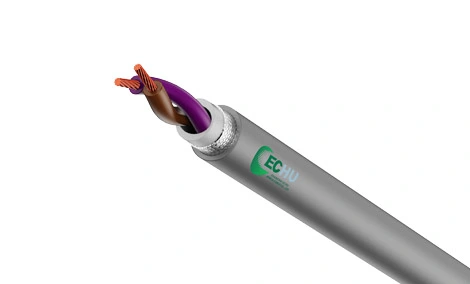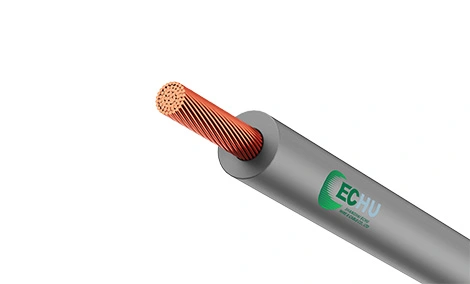

Crane systems used in factories, ports, warehouses, and construction sites require cables that can handle continuous movement, heavy loads, and demanding working environments. Unlike standard power cables, crane cables are designed to withstand repeated bending, mechanical tension, and long operating cycles while maintaining stable electrical performance.
For equipment manufacturers and industrial buyers, choosing suitable crane cables suppliers is not only about comparing prices or product specifications. A reliable supplier should understand the working conditions of lifting equipment and provide cable solutions that match the application requirements, installation method, and expected service life.
From overhead cranes and gantry cranes to hoists and material handling systems, the right crane cable solution helps reduce downtime, improve equipment reliability, and support safer industrial operations.
Crane cables are flexible power and control cables specially developed for lifting equipment that requires frequent movement. They are designed to maintain electrical performance while being exposed to bending, pulling forces, vibration, and changing operating conditions.
Compared with fixed installation cables, crane cables usually require enhanced flexibility and mechanical durability because many crane systems involve continuous cable movement through festoon systems, cable reels, or moving carriers.
Common applications of crane cables include:
Overhead bridge cranes in manufacturing facilities
Gantry cranes used in ports and logistics yards
Electric hoists and lifting equipment
Material handling systems
Automated warehouse and industrial lifting solutions
Different crane applications require different cable structures. For example, a cable used on a long-travel crane may require higher flexibility and tensile strength compared with a cable installed in a fixed lifting system.
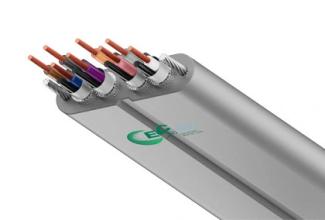
Selecting the correct crane cable type is an important step in ensuring reliable equipment operation. Crane cables are available in different structures to meet different movement patterns and installation requirements.
| Crane Cable Type | Typical Applications | Main Characteristics |
|---|---|---|
| Flat Crane Cable | Compact crane systems, elevators, and space-limited installations | Flexible structure with efficient installation in restricted spaces |
| Round Crane Cable | Mobile cranes and general lifting equipment | Suitable for multi-directional movement and industrial environments |
| Festoon Cable | Overhead cranes and material handling systems | Designed for repeated movement along cable support systems |
| Reeling Cable | Large cranes and equipment requiring long travel distances | Provides flexibility and resistance during cable winding and unwinding |
Understanding the differences between these cable types allows buyers to select a solution based on equipment movement, installation conditions, and operational requirements rather than choosing a general-purpose cable.
A qualified supplier should provide more than standard cable products. The manufacturing capability, technical support, and ability to customize products are important factors when evaluating crane cables suppliers.
Several aspects should be considered during supplier evaluation:
Product design capability: The supplier should understand different crane applications and recommend suitable cable structures.
Material quality: High-quality insulation and jacket materials help improve resistance against abrasion, oil, temperature changes, and mechanical stress.
Customization capability: Industrial projects may require specific conductor sizes, jacket materials, voltage ratings, or cable dimensions.
Production consistency: Stable manufacturing processes help ensure reliable performance for long-term projects.
Technical support: Experienced suppliers can assist with cable selection and application requirements.
For global industrial buyers, working with a manufacturer that has experience in specialized cable production can help avoid problems caused by incorrect cable selection or unsuitable product structures.
The performance of crane cables directly influences the efficiency and reliability of lifting equipment. Since crane systems often operate under repeated movement conditions, cable failures can interrupt production and increase maintenance requirements.
Important performance characteristics include:
| Performance Requirement | Impact on Crane Operations |
|---|---|
| High Flexibility | Allows cables to withstand repeated bending during crane movement. |
| Tensile Strength | Helps cables handle pulling forces in mobile lifting systems. |
| Abrasion Resistance | Reduces damage caused by friction during operation. |
| Environmental Resistance | Supports operation in outdoor, dusty, humid, or industrial environments. |
Choosing a cable with suitable performance characteristics can extend service intervals and reduce unexpected equipment shutdowns. This is especially important for industries where cranes are critical parts of production and logistics operations.
ECHU specializes in industrial cable solutions designed for demanding applications, including lifting equipment, automation systems, and other specialized machinery. With experience in flexible cable manufacturing, ECHU supports customers with customized solutions based on specific operating conditions.
As experienced crane cables suppliers, ECHU focuses on developing cables that meet the requirements of different crane systems, including flexible movement, mechanical durability, and reliable electrical transmission.
ECHU's industrial cable solutions are developed for applications where cable performance and reliability are essential. Customers can explore more details about ECHU crane cable solutions or discuss their project requirements with the technical team.
For customized cable specifications, application recommendations, or OEM requirements, contact ECHU to receive professional support for your industrial cable project.
Reliable crane cable performance depends on selecting the right cable structure, understanding application requirements, and working with an experienced manufacturer. Factors such as flexibility, mechanical strength, environmental resistance, and customization capability all influence the long-term performance of lifting equipment.
For companies searching for dependable crane cables suppliers, choosing a manufacturer with industrial experience and technical capability can help ensure stable operation, reduce maintenance challenges, and improve equipment reliability.
Common crane cables include flat cables, round cables, festoon cables, and reeling cables, depending on the crane structure and movement requirements.
Important factors include product quality, customization capability, application experience, manufacturing consistency, and technical support.
Yes. Many crane cables are designed with protective materials to withstand outdoor conditions such as moisture, temperature changes, and mechanical wear.
Yes. Experienced suppliers can customize cable structures, materials, dimensions, and electrical specifications according to equipment requirements.



 English
 ไทย
ไทย tiếng việt
 हिंदी
हिंदी Jawa
Jawa